The Best Portable Solar Panels for Camping and Outdoor Adventures
Solar & Renewable Energy
Portable solar panels have become practical camping gear rather than a niche accessory. What once felt experimental is now reliable enough for everyday outdoor use. Lightweight designs, foldable formats, and improved efficiency mean campers can generate steady power without relying on fuel-powered equipment or constantly rationing battery life.
For weekend campers, overlanders, and long-term travelers alike, portable solar panels offer a quiet, flexible way to stay powered while remaining disconnected from the grid.
Why Portable Solar Panels Matter for Outdoor Trips
Camping today often involves more than sleeping bags and flashlights. Phones, GPS devices, cameras, lights, and small coolers all require electricity. Portable solar panels act as a dependable energy source when traditional outlets are unavailable.
Supporting Modern Camping Gear
Most campers pair solar panels with a portable power station. The panel charges the battery during the day, and the stored power is used whenever needed. This setup allows for:
- Charging phones and navigation devices
- Running LED lights at night
- Powering fans or compact refrigeration units
The reliability of this system depends on the panel’s efficiency and how well it performs under real outdoor conditions.
Solar Panel Efficiency in the Field
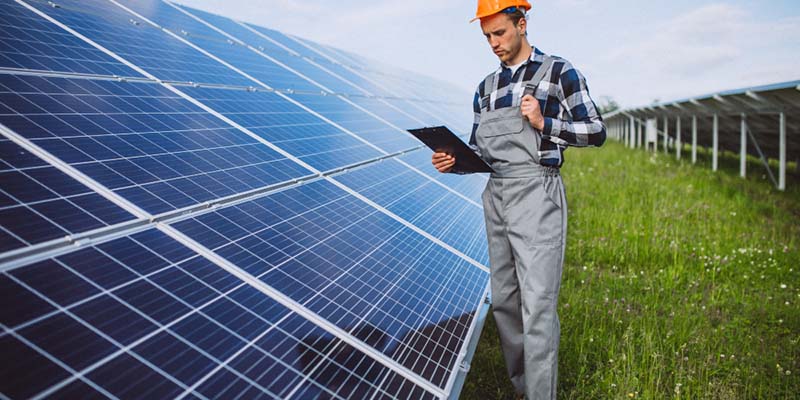
Efficiency determines how much power a panel can produce from a given amount of sunlight. Modern portable panels typically use monocrystalline cells, which are more efficient than older technologies and require less surface area to generate usable power.
Rated Output vs Real Performance
Manufacturers list wattage based on ideal laboratory conditions. Outdoors, panels rarely reach that number. In most camping environments, a well-placed panel produces roughly 70 to 80 percent of its rated output on clear days.
Cloud cover, tree shade, dust, and high temperatures all reduce efficiency. Understanding this gap between advertised output and real-world performance helps set realistic expectations.
Environmental Factors That Affect Output
Several conditions can limit how much energy your panel collects:
- Dirt, pollen, or dust blocking sunlight
- Excessive heat reduces electrical efficiency
- Shadows cast by nearby trees or gear
Keeping panels clean and allowing airflow behind them can noticeably improve daily energy collection.
Panel Positioning and Sun Tracking
Orientation matters more than many campers realize. A panel lying flat may perform well at midday but lose effectiveness as the sun moves across the sky.
Adjusting Angle for Better Results
Panels with built-in kickstands or adjustable legs make it easier to face the sun directly. Repositioning them a few times a day can significantly increase total energy gathered, especially during early morning and late afternoon hours.
Even small adjustments can lead to better charging performance over the course of a day.
Top Portable Solar Panels for Camping and Travel
Several models stand out for their reliability, durability, and real-world performance. Each suits a different type of outdoor adventure.
Jackery SolarSaga 100W
The SolarSaga 100W remains a dependable option for car campers and weekend travelers. Weighing around 10 pounds, it folds in half with built-in kickstands that make setup simple on uneven ground.
In clear midday sun, users typically see real output in the 70-85W range, which is consistent with most 100W folding panels.
Integrated USB-A and USB-C ports allow direct charging of phones and power banks without a separate battery station. It’s ideal for straightforward setups where convenience matters more than maximum output.
EcoFlow 220W Bifacial Panel
Bifacial panels have become more common in 2026, and EcoFlow’s 220W model is one of the better-known examples. It captures sunlight from both the front and the reflective rear surface. When placed over sand, snow, or light-colored ground, users can see measurable gains compared to single-sided panels.
At roughly 20 pounds, it’s better suited for base camps, RV travel, or pairing with larger power stations that can accept high solar input. For travelers who stay put for several days, the faster recharge time can make a noticeable difference.
Bluetti PV120
The PV120 hits a middle ground between portability and output. At 120W rated capacity and under 15 pounds, it’s manageable for frequent travel without feeling underpowered. The ETFE coating improves scratch resistance and UV durability, which helps in high-sun environments where panels stay deployed for long stretches.
It’s a practical match for mid-size portable power stations in the 1,000Wh class.
BigBlue SolarPowa 28W
For hikers and minimalist travelers, the 28W SolarPowa focuses on weight and compact storage. It clips easily to a backpack and can trickle-charge small devices while walking. Realistically, it’s best for topping off phones or small power banks rather than charging large batteries.
This type of panel works well for multi-day treks where keeping navigation and communication devices alive is the priority.
Renogy 200W Folding Solar Suitcase
Renogy’s 200W suitcase panel uses rigid frames and tempered glass, making it heavier than fabric-backed designs but far more stable in wind. For extended trips or semi-permanent setups, it delivers consistent performance and better long-term durability.
It’s especially useful for vehicle-supported travel where reliability and charging speed matter more than compact storage.
Cost Considerations and Long-Term Value
Portable solar panels range widely in price depending on size, materials, and output capacity. Small chargers may be affordable, while high-wattage folding systems represent a larger investment.
Comparing cost per watt provides a clearer picture of value. Higher-quality panels often cost more upfront but last significantly longer. Material choice plays a major role in durability.
Panels with advanced surface coatings resist sun damage and maintain clarity for years, while cheaper alternatives may degrade after only a few seasons.
Rigid Panels vs Folding Panels
Choosing between rigid and folding solar panels comes down to how you travel, store gear, and plan to use power. Both have clear advantages in 2026’s portable solar landscape, and understanding the differences helps you match panels to your setup.
Rigid Panels
Rigid panels use solid aluminum frames and tempered glass surfaces, making them heavier and bulkier than folding alternatives. Because of their build quality, they tend to deliver more consistent output over time and are less sensitive to bumps or frequent handling.
In recent tests conducted by outdoor energy reviewers, rigid panels maintained 95% or more of their rated output after long-term deployment, even in mixed weather conditions.
These panels are well-suited for:
- Vehicle-based camping, where weight and storage bulk are less of a concern
- Home-oriented backup stations that stay set up for weeks or months
- Fixed arrays paired with larger battery banks where stability and longevity matter
High-wattage rigid panels (300 W and above) also tend to charge large battery systems faster, especially when multiple panels are paired in series or parallel configurations.
Fabric-Backed Folding Panels
Folding panels use lightweight fabric backs and flexible cells that collapse into a compact package. Most folding systems weigh 40–60 % less than comparable rigid equivalents, making them easy to stow behind seats, under cargo nets, or inside roof boxes.
They are ideal for:
- Backpackers and vanlifers who need portability and quick setup
- Seasonal travelers with limited storage space
- Supplementing power on the go when weight is the priority
Frequent folding and tension on flexible materials can stress internal cells over time, potentially reducing output slightly faster than rigid panels under heavy daily use.
Not all folding panels are created equal, so checking build quality and warranty terms is important before purchase.
When Portable Solar May Not Be Ideal
Solar generators depend on access to sunlight. In areas such as dense forests, urban canyons, or long winter nights, panel output can drop dramatically, making solar less reliable as a standalone source.
High-draw appliances like electric heaters, induction cooktops, and large AC units also exceed the practical continuous output of most portable arrays. In these scenarios, a staggered strategy - such as charging batteries when sun is available and conserving energy later - tends to work better than trying to run heavy loads directly from solar input.
Common Mistakes and Safety Tips
Many issues with portable solar systems come from handling and setup errors rather than equipment failure. Simple habits can substantially extend gear life and prevent frustration.
Protecting Electrical Connections
Solar panels themselves are weather-resistant, but connection points and controllers are vulnerable to moisture and corrosion. Heavy rain or dew can degrade contacts and reduce efficiency.
Smart habits include:
Keep connection ports facing downward when panels are deployed
Use dust caps or protective covers on unused connectors
Disconnect panels during severe weather or when not in use for long periods
Managing Heat and Cables
Battery longevity is affected by temperature. Charging batteries inside hot vehicles or unventilated spaces can shorten cycle life drastically, especially for lithium-based systems.
Other tips:
Use the shortest practical cable length to minimize voltage drop and energy loss
Avoid laying cables across sharp edges or high-traffic areas
Secure cables with clips or ties to prevent strain on connectors
Portable solar is powerful and flexible when set up thoughtfully. With the right choices between rigid and folding panels, and careful attention to protection and environment, you can maximize both performance and investment life well into 2026 and beyond.
Portable Solar for Outdoor Use
Portable solar panels offer a quiet, dependable way to generate power while camping or traveling off-grid. Their effectiveness depends on choosing the right panel size, understanding real-world performance, and adjusting placement throughout the day.
While the upfront cost can be significant, the long-term benefit lies in energy independence and reduced reliance on fuel or pre-charged batteries. By focusing on build quality, efficiency, and durability, campers can build a solar setup that performs reliably across many adventures and environments.
Share this article:
Recommended For You
Most Viewed

ADVERTISEMENT